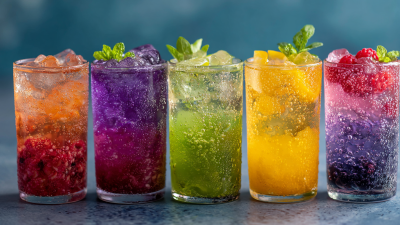
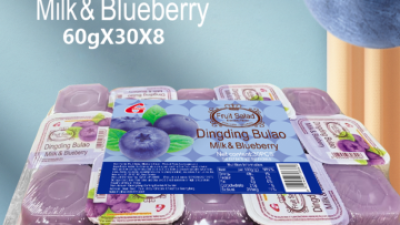
Have you noticed how Jelly Drink has just exploded in popularity lately? It’s not just a passing trend—people all over the world seem totally obsessed with it. Honestly, it feels more like a cultural thing now. Even experts like Dr. Emily Liu, a food science researcher at Beverage Innovations, point out that it’s pretty special: she says, “Jelly Drink blends textures and flavors that really excite your senses.” And honestly, that’s what makes it so appealing—its unique combo of a jelly-like consistency with a super-refreshing taste. No matter your age, it seems like everyone’s into it.
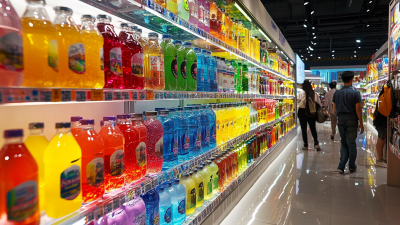
As Jelly Drink keeps gaining fans, the variety of flavors just keeps expanding. There are fruity options, milky ones—you name it. Check out the markets in Asia, North America, and beyond, and you’ll see packs bursting with colors that just make you want to grab one. It’s playful and fun, which is probably why it’s especially popular among the younger crowd. But of course, not everyone’s totally sold—some folks worry about the sugar content, which can be quite high. That’s the tricky part: balancing the fun factor with health concerns.
Even though Jelly Drink is loved worldwide, making a product that appeals to so many different people isn’t easy. Trends come and go, but right now, it looks like this one might stick around for a while. Industry folks are keeping a close eye on it, wondering how it’ll evolve. Honestly, the story of Jelly Drink is just getting started, and who knows? It might even change the way we think about beverages down the line.
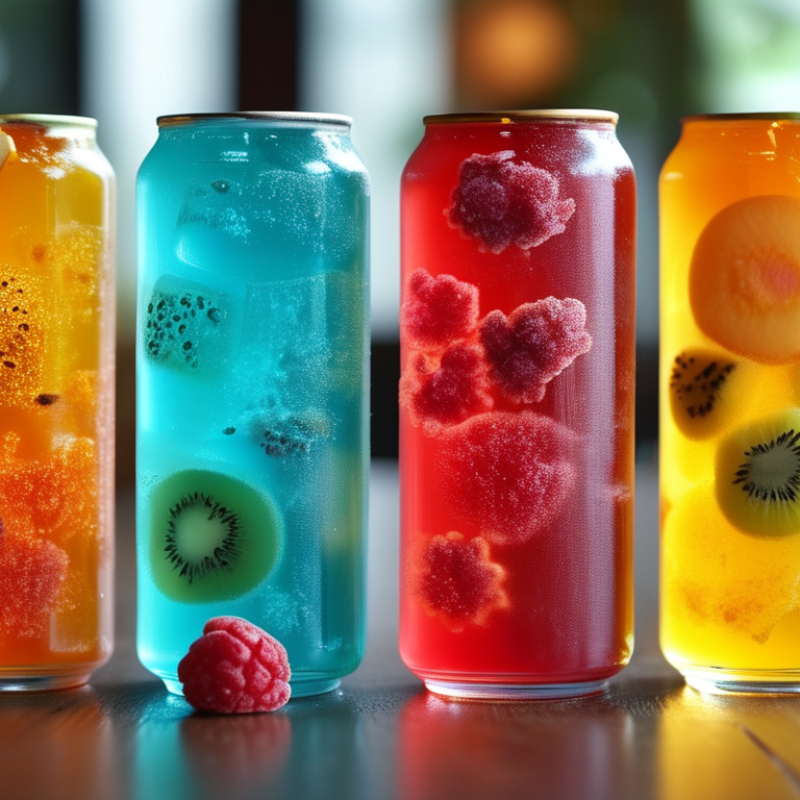
What is Jelly Drink? A Comprehensive Overview
Jelly drinks have surged in popularity across the globe, captivating consumers with their unique textures and flavors. These beverages, often made from gelatin or agar, provide a delightful, chewy experience. Research from the Global Beverage Market indicates that the jelly drink segment is projected to grow at a CAGR of 5.4% through 2027. This growth reflects an increasing consumer interest in innovative beverages that offer both refreshment and texture.
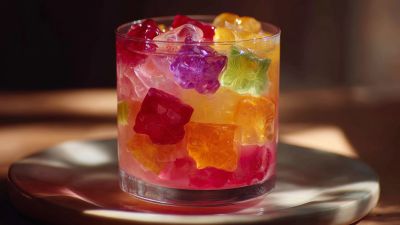
The appeal of jelly drinks lies in their versatility. They can be infused with various flavors, ranging from fruity to herbal. Additionally, they often contain pieces of fruits or Jelly Candy, enhancing their visual and sensory impact. A survey by Euromonitor International revealed that over 60% of consumers enjoy trying new flavors, driving the demand for diverse jelly drink options. However, the trend also raises concerns about health. Many jelly drinks contain high sugar levels, leading to potential health risks if consumed excessively.
Despite their popularity, jelly drinks are not universally embraced. Some may find the texture off-putting or overly sweet. Critically, beverage manufacturers need to balance taste with health considerations. As consumers become more health-conscious, there’s a growing need for products that cater to this shift. Innovating while maintaining fun and indulgence will be key in the evolving jelly drink market.
Historical Origins of Jelly Drink Across Cultures
The jelly drink has a rich history that spans across various cultures. Originating in parts of Asia, it blends textures and flavors that appeal to many. For example, in the Philippines, a jelly-like beverage called "sago't gulaman" combines sago pearls and agar jelly in sweet syrup. This drink reflects cultural resourcefulness, using local ingredients to create something refreshing.
In Latin America, "mora de Jamaica" is another example. This hibiscus-based drink combines jelly-like bits, making it a popular refreshment. Data from industry reports show that jelly drinks have seen a 25% increase in global consumption over the last five years. This surge indicates not only their appeal but also a growing market for fusion beverages.
There are challenges in the jelly drink market as well. Some consumers question the health aspects of sugary jelly drinks. This calls for more transparency from manufacturers. Ensuring balanced nutrition in these drinks can be tricky, but addressing these concerns can enhance their credibility. As cultures continue to experiment with flavors and textures, the journey of jelly drinks is far from over.
Key Ingredients and Varieties of Jelly Drink
Jelly drink has become a global sensation, loved for its unique texture and refreshing taste. With a variety of flavors and ingredients, this trendy beverage caters to diverse palates. A report from Market Research Future highlighted a compound annual growth rate (CAGR) of 8.25% for jelly drinks between 2020 and 2026, showcasing their rising popularity.
Key ingredients in jelly drinks typically include fruit extracts, gelatin, and sweeteners. These components offer a chewy consistency that contrasts with other beverages, enhancing the overall drinking experience. Popular varieties include coconut jelly and fruit-flavored jelly drinks. Consumers appreciate these drinks' natural ingredients, which often appeal to the growing health-conscious demographic.
Tips: Look for jelly drinks that feature natural, wholesome ingredients. Prioritize options without artificial additives to enjoy a guilt-free treat. Experimenting with different flavors can lead to delightful surprises, as the combinations are almost endless. However, it's essential to reflect on portion sizes, as jelly drinks can be high in sugars.
Nutritional Benefits and Health Considerations
Jelly drinks are gaining traction worldwide for their delightful texture and unique flavors. Beyond their appealing nature, they offer notable nutritional benefits. These beverages often contain fruits, essential vitamins, and gelatin. This makes them a refreshing option for both hydration and nutrition.
One major benefit is the inclusion of tapioca pearls or fruit pieces. They provide a source of dietary fiber, which aids digestion. Jelly drinks can also be low in calories, making them a great choice for those watching their intake. However, moderation is essential. Some jelly drinks might contain added sugars or artificial products that can negate health benefits.
Tips: Always check the ingredient list for added sugars. Opt for options with real fruit pieces, like Nezha Jelly. Staying informed can help you make healthier choices. Experiment with homemade versions. This can allow you to control ingredients. Embracing this practice may lead you to discover delightful flavors while maintaining nutrition.
The Global Popularity of Jelly Drink: Trends and Influences
The jelly drink phenomenon is capturing hearts globally. Recent trends indicate that its popularity is skyrocketing, especially among younger audiences. In 2022, the jelly drink market was valued at approximately $1.5 billion and is expected to grow at a compound annual growth rate (CAGR) of 8.5% through 2026. This surge is largely influenced by social media platforms, where visually appealing drinks gain traction rapidly.
Consumers are gravitating towards jelly drinks due to their unique textures and flavors. Many enjoy the chewy Jelly Fruit pieces suspended within. In Southeast Asia, these drinks often feature coconut or fruit flavors, appealing to local palates. Younger consumers are especially drawn to the way these drinks combine style with substance. However, critics point out that while they are delicious, nutritional concerns exist. High sugar content is common, raising questions about health implications.
The visual appeal of jelly drinks cannot be overstated. Bright colors and fun presentations encourage sharing on social media. Yet, it’s essential to reflect on the sustainability of this trend. Sourcing ingredients responsibly and managing waste will be vital for the future of jelly fruit products. Balancing popularity with sustainability poses challenges that the industry must address.
How to Make Jelly Drink at Home: A DIY Guide
Jelly drinks have surged in popularity for their unique textures and flavors. This delight captures the essence of fruit while offering a playful experience. Making jelly drink at home can be both fun and rewarding. You only need some basic ingredients: gelatin, fruit juice, and sugar.
Start by dissolving gelatin in hot water. Use about 1 tablespoon of gelatin for every 2 cups of juice. Stir well until fully dissolved. Incorporate sugar to taste. Pour the mixture into molds and refrigerate until firm. This step is crucial; patience is necessary for a perfectly textured jelly.
An interesting finding from a 2022 food trend report highlights that over 35% of consumers in Europe prefer homemade beverages. The DIY trend reflects a desire for customization and healthier options. Although jelly drinks are fun, improper preparation can lead to issues; for example, too much gelatin can create an unappetizing texture. Experimentation is key, but learn from your mistakes. Taste tests may not always yield the desired results, so adjust accordingly.
Popularity of Jelly Drink Worldwide
Creative Ways to Enjoy Jelly Drink in Recipes
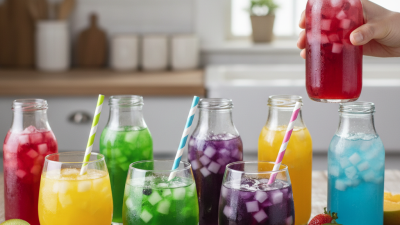
Jelly drinks have become a global sensation, captivating taste buds with their unique textures and flavors. There are countless creative ways to incorporate jelly drinks into fun recipes. For a refreshing treat, consider blending jelly drinks with fresh fruits. Pineapple, strawberries, or even mint can elevate the experience. The vibrant colors from the fruits make the drink visually appealing, enticing anyone to grab a sip.
Another interesting approach is to use jelly drink as a topping for desserts. A scoop of vanilla ice cream complemented by jelly drink adds an unexpected twist. The contrasting flavors and textures create a delightful experience. Adding a sprinkle of Jelly Beans on top can enhance the dessert, making it even more playful. This combination encourages people to share their meals and explore new flavor pairings.
When experimenting with jelly drinks, the possibilities seem endless. You might find that not every combination works flawlessly. Some flavors may clash, prompting a rethink of the recipe. Embrace the process, and have fun creating unique concoctions. Remember, experimentation leads to delicious discoveries, and that's part of the joy of enjoying jelly drinks.
What is Jelly Drink and Why is It So Popular Worldwide?
| Country |
Popular Flavors |
Common Ingredients |
Serving Style |
| Japan |
Matcha, Peach |
Agar, Coconut Milk, Sugar |
Chilled, with fruits |
| South Korea |
Mango, Strawberry |
Agar-agar, Water, Syrup |
Frozen, as dessert |
| Thailand |
Coconut, Lychee |
Coconut Cream, Agar, Sugar |
In a cup, with ice |
| Philippines |
Buko Pandan, Calamansi |
Agar, Milk, Fruit Bits |
Served in bowls, often festive |
| United States |
Berry, Vanilla |
Gelatin, Water, Fresh Fruit |
As a layered dessert |
Delightful Tasty Jelly Cups: Exploring the Exquisite Flavors of Blueberry, Strawberry, and Mango
Indulge in the delightful world of jelly cups, where each bite promises an exquisite explosion of flavor. Designed for all ages, these jelly cups come in three tantalizing flavors: blueberry, strawberry, and mango. Each cup weighs 60 grams, making them the perfect treat to savor or share. The vibrant colors—blue for blueberry, red for strawberry, and yellow for mango—are as appealing to the eyes as they are to the palate, inviting everyone to experience the joy of their favorite flavors.
Packaged in a convenient tray setup, thirty jelly cups are divided into two layers, sealed securely in a transparent plastic bag for freshness. This thoughtful packaging not only preserves the rich taste but also makes it easy to enjoy these delicious treats on the go. For the ultimate taste experience, refrigeration enhances the flavors even more, providing a refreshing burst on warm days. With a total of 240 cups available in each carton, it’s the perfect option for parties, gatherings, or simply to brighten up your day with a bit of sweetness. Whether you're a fruit lover or looking for a fun dessert option, these jelly cups are sure to be a hit!
FAQS
: Their unique textures and flavors make them appealing, especially to younger consumers.
In 2022, the market was valued at around $1.5 billion.
It's projected to grow at a CAGR of 8.5% through 2026.
Coconut and fruit flavors are popular, especially in Southeast Asia.
Yes, the high sugar content raises questions about their nutritional value.
They can be blended with fresh fruits or used as toppings for desserts.
Not every flavor combination works, leading to some unexpected results.
Their bright colors and fun presentations make them visually attractive.
Sourcing ingredients responsibly and managing waste is crucial for future trends.
Embrace the process; some recipes may need rethinking before succeeding.
Conclusion
Jelly Drink is a unique and versatile beverage that has gained immense popularity around the world due to its refreshing taste and playful texture. Originating from various cultures, its historical roots can be traced back to traditional recipes that utilized gelatin or similar ingredients to create a chewy drinkable dessert. The key components of Jelly Drink typically include gelatin, fruit juices, and sweeteners, with numerous regional variations offering a diverse range of flavors and textures.
Nutritionally, Jelly Drink can provide hydration and, depending on its ingredients, certain vitamins and minerals from the fruits used. Its global appeal is influenced by social media trends and the creative ways it can be integrated into recipes, making it not only a drink but also a novel ingredient in various culinary creations. For those interested in trying their hand at making Jelly Drink at home, there are simple DIY methods available that encourage experimentation, allowing for personalized flavors and a fun drinking experience.